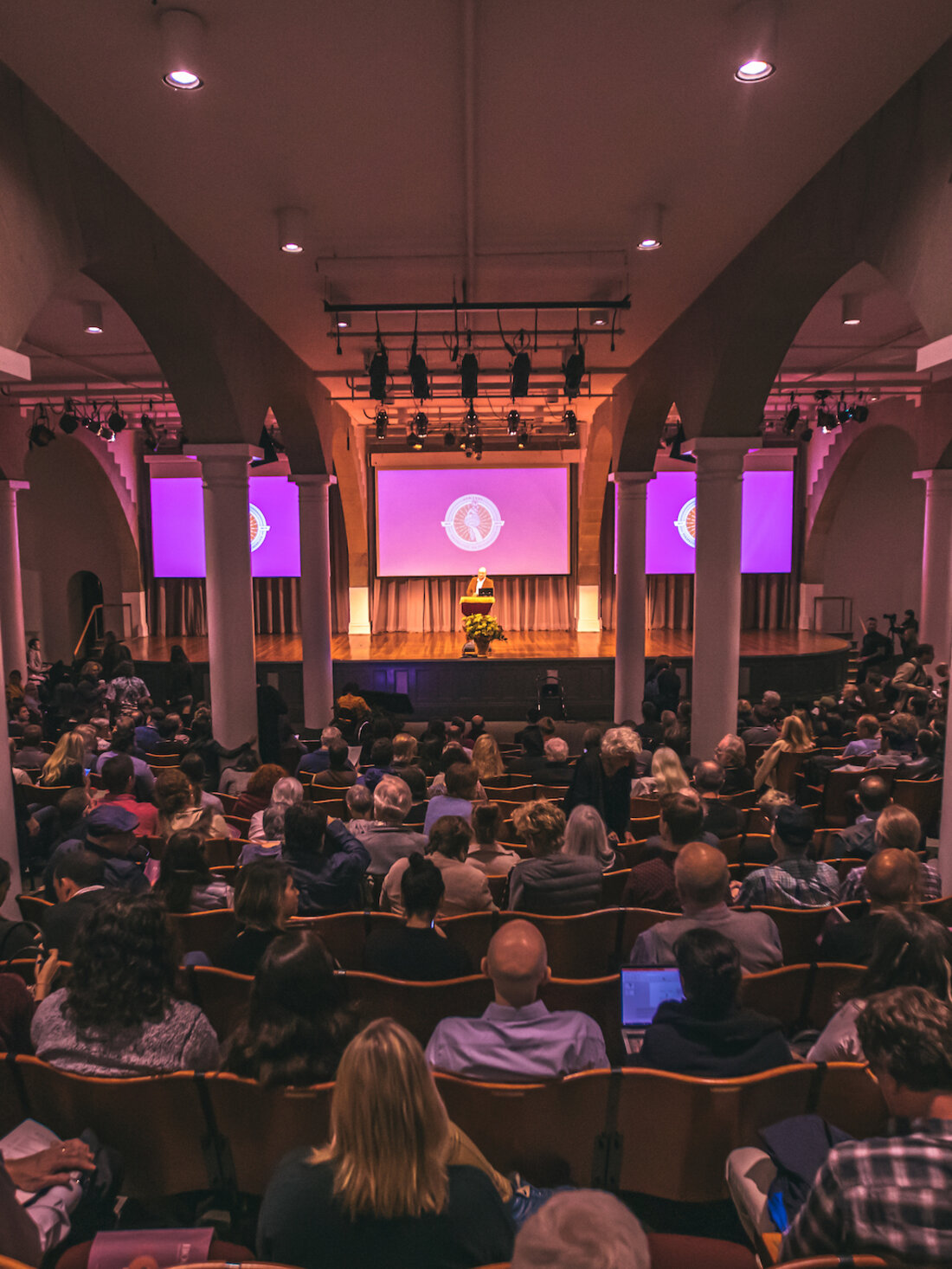
Thank you to everyone who participated in our 19th conference.
Join our mailing list to receive updates about video releases and our next conference.
























Sponsors
Title
AMC Innovative Health Foundation, established by Alex Cohen, addresses critical gaps in research, education, and resources for complex, stigmatized, and historically underserved areas of health.
Partner

Healthcare Forum Co-Presenter

Supporters


Community Allies











Thursday, October 15, 2026 · The New York Academy of Medicine
The Psychedelic Healthcare Forum
Co-presented with Psychedelic Alpha
A discourse on the alignment of financial opportunity and constraints of the healthcare system with the ideals of societal improvement.
Kevin Balktick
A discourse on the alignment of financial opportunity and constraints of the healthcare system with the ideals of societal improvement.
Kevin Balktick 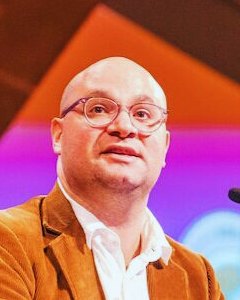
Psychedelics (once again) appear poised to enter the US healthcare industry. Before diving into the arcanum of billing codes, REMS, and labels, it is worth taking a moment to take a step back and examine the systems through which these special molecules will flow, and how this labyrinth can fulfill or diminish our most fundamental human needs.
A data-driven briefing on where the field of psychedelic medicine stands across drug development, policy, and funding.
Josh Hardman
A data-driven briefing on where the field of psychedelic medicine stands across drug development, policy, and funding.
Josh Hardman 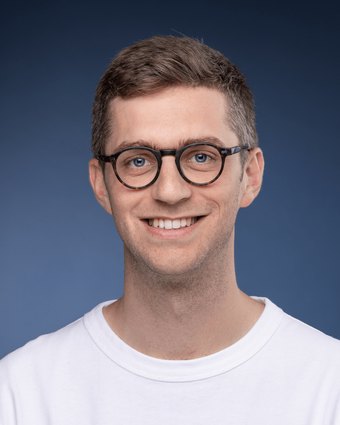
Nearly ten years after the FDA first granted Breakthrough Therapy Designation to a psychedelic therapy program and six months after the Executive Order prioritizing regulatory decisions and research funding for psychedelic medicine, where does the field actually stand?
In this opening session, Josh Hardman steps back from the news cycle to ground the day ahead, mapping the drug development pipeline, the policy landscape, and the shape of the funding ecosystem; plus the essential questions shaping what comes next.
An interview with Deputy General Counsel of the US Department of Health and Human Services Matthew Zorn, who has been instrumental in the drafting and implementation of Executive Order 14401.
Matthew Zorn Josh Hardman
An interview with Deputy General Counsel of the US Department of Health and Human Services Matthew Zorn, who has been instrumental in the drafting and implementation of Executive Order 14401.
Matthew Zorn Josh Hardman 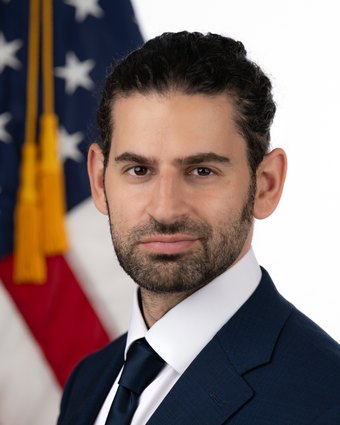
Matthew (Matt) Zorn currently serves as Deputy General Counsel at the U.S. Department of Health and Human Services (HHS), a position he has held since May 2025.
Before entering HHS, Matt served for 13 years as a trial and appellate litigator and former partner at Yetter Coleman LLP in Houston, TX, where his practice focused on commercial litigation, with an emphasis on IP, antitrust, and administrative law matters.
Matt is also recognized as a national authority on legal issues relating to controlled substances. In that area, he led numerous successful lawsuits against federal agencies and state governments, including against HHS, DOJ, and the DEA, challenging agency rules and enforcement actions on behalf of scientists, physicians, and military veterans. He also served as an adjunct professor at the University of Houston Law Center, where he taught the school's first course on cannabis and psychedelics law.
Matt has received national recognition for his work. His high-profile cases and commentary have been featured in the New York Times, the Washington Post, and major media outlets.
A discussion with federal officials about the decisions that will shape psychedelic drug development and delivery of care.
Al Bugazia Andrew Gradison Valentina Mantua Erin Schumaker
A discussion with federal officials about the decisions that will shape psychedelic drug development and delivery of care.
Al Bugazia Andrew Gradison Valentina Mantua Erin Schumaker 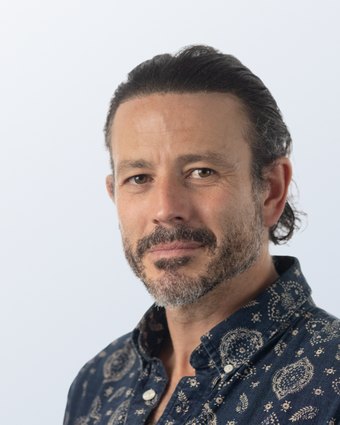
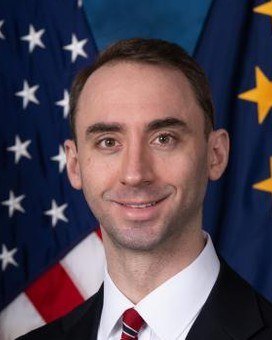
Senior Advisor, Veterans Health Administration
U.S. Department of Veterans Affairs

Associate Director for Regulatory Science
U.S. Food and Drug Administration
After decades of academic and industry studies, several psychedelic drug candidates are likely to be evaluated for regulatory approval in the months to come.
In this session, representatives of several federal bodies discuss how they have arrived at their current framework regarding psychedelic medicine, their plans for the next year, and the essential questions that remain unanswered.
Perspectives on the evolution of capital support for psychedelic medicine from leaders in investment banking and venture capital.
Ritu S. Baral Edny Inui Connor Williams Madison Muller
Perspectives on the evolution of capital support for psychedelic medicine from leaders in investment banking and venture capital.
Ritu S. Baral Edny Inui Connor Williams Madison Muller 
Following an era of exuberance fueled by retail investors, ZIRP, and splashy headlines in 2020 and 2021, financing for psychedelic concerns entered a period of malaise that conclusively ended with news of a multibillion-dollar acquisition deal in July 2026.
In this warmer regulatory climate and with numerous candidates reaching the end of their trials, a new wave of opportunities and announcements across all stages of the drug development pipeline and commercialization seems imminent.
In this session, seasoned biotech investors will distill insights from today’s complex cloud of indicators and questions.
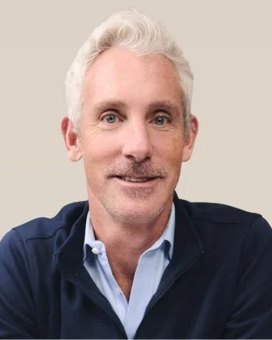
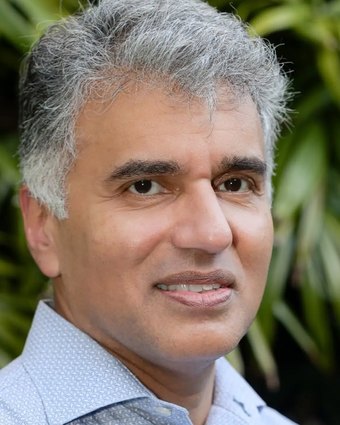
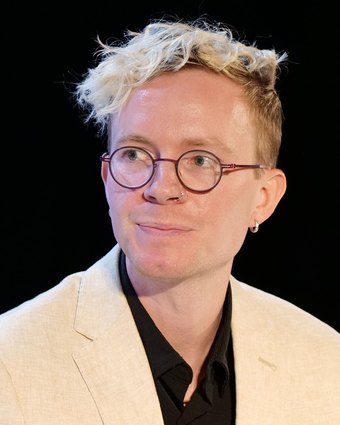
The state of the art and future potential of psychedelic pharmaceutical research and development.
A.J. Cannon Daniel R. Karlin Srinivas Rao Kyle LaHucik
The state of the art and future potential of psychedelic pharmaceutical research and development.
A.J. Cannon Daniel R. Karlin Srinivas Rao Kyle LaHucik 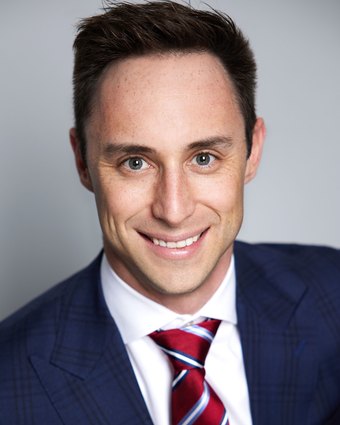
Decades of effort have finally produced a clear view of what it takes to bring a psychedelic drug candidate from aspiration through pre-clinical work to final Phase 3 endpoints.
Against the backdrop of this growing body of data, several high-profile M&A deals have closed, and many candidates have inched closer to approval– while not a few other sponsors and their candidates have evaporated.
In this session, drug development leaders share lessons learned, current priorities, and predictions about the next round of discovery, trials, and market responses.
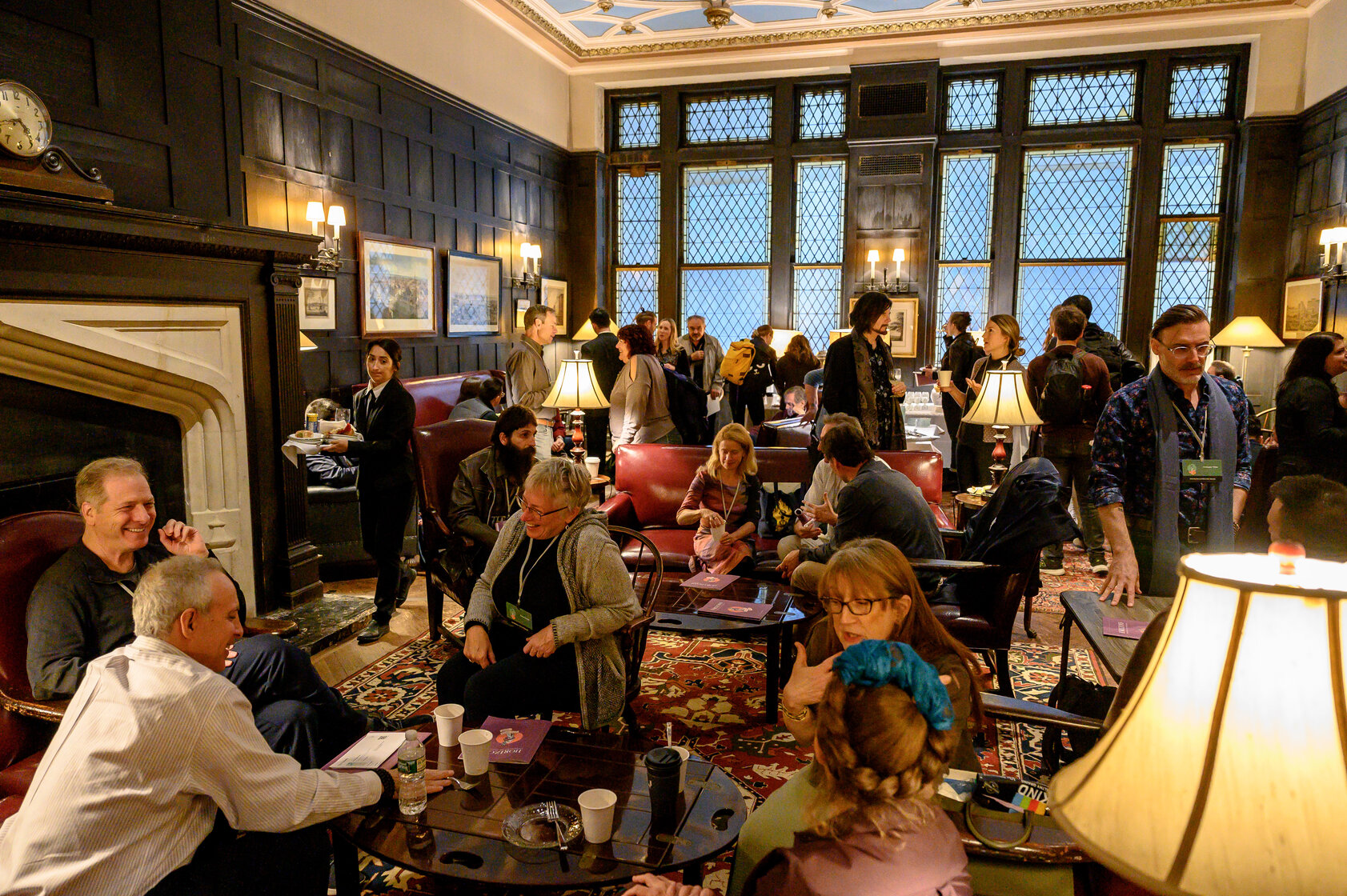
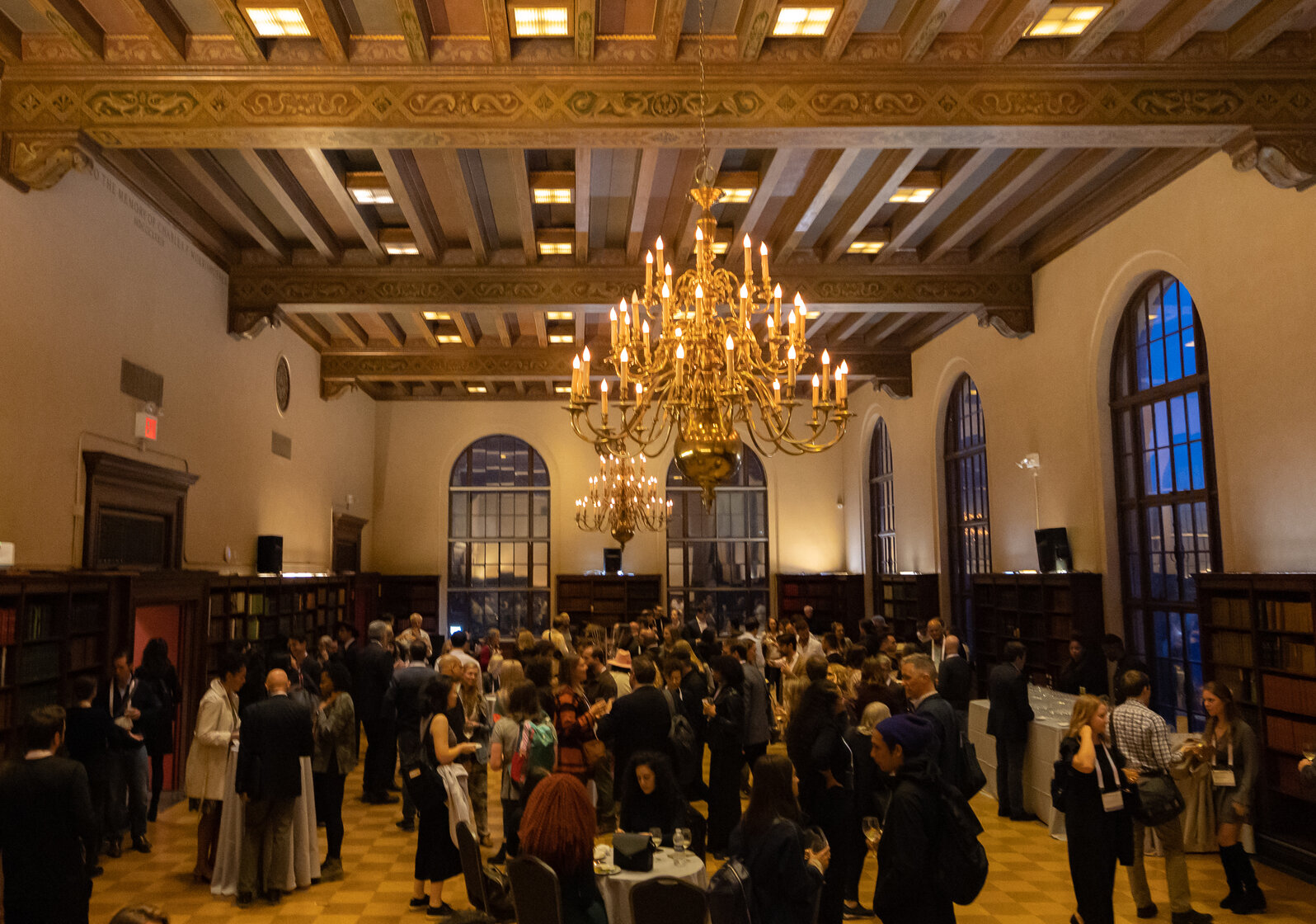
Catered lunch for Industry attendees is served in the Reading Room on the 3rd floor of the New York Academy of Medicine.
Catered lunch for Industry attendees is served in the Reading Room on the 3rd floor of the New York Academy of Medicine.
Industry registrations include a catered luncheon in the Reading Room on the 3rd floor of the New York Academy of Medicine. (Most common dietary needs can be accommodated, but please inform a server if you have allergies.)
For Community registrations, options may be available at the cafe on the ground-floor (while supplies last) and in the neighborhood. You are also welcome to bring your own lunch or order delivery (in “personal use” quantities) to the venue. Consider a picnic in Central Park, weather permitting.
Please return to the auditorium by 2:20pm, as sessions resume at 2:30pm sharp.
An exploration of the post-approval processes and infrastructure required to actually deliver psychedelic treatments to patients.
Lori Englebert Jeffrey Zabinski Jazz Glastra
An exploration of the post-approval processes and infrastructure required to actually deliver psychedelic treatments to patients.
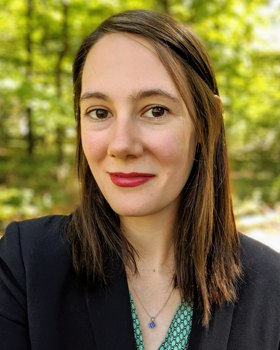
Lori Englebert Jeffrey Zabinski Jazz Glastra 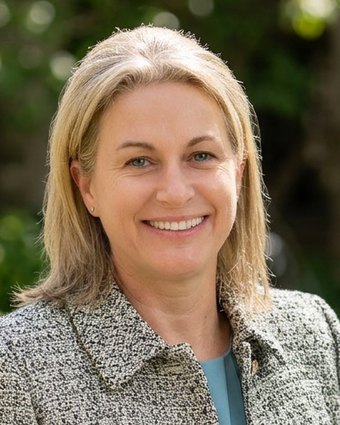
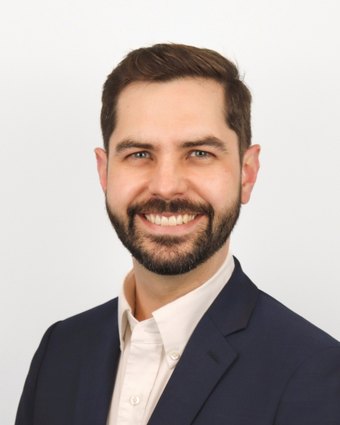
Director of Interventional Psychiatry
Columbia University Irving Medical Center
With numerous promising candidates having completed or in the midst of Phase 3 trials, both drug developers and their critical go-to-market partners are planning for commercialization.
While FDA approval is certainly the most significant checkpoint in the journey, it is also merely the first domino in a long sequence leading to treating patients and generating revenue.
In this session, we hear how psychedelic drug developers and novel treatment implement experts are preparing to translate the promise of research into clinical reality.
The crucial questions of insurance reimbursement for psychedelic medicine, including its likelihood, timeline, and amount under both public and private systems.
Lee Lewis Tanya Brara Shah Jazz Glastra
The crucial questions of insurance reimbursement for psychedelic medicine, including its likelihood, timeline, and amount under both public and private systems.
Lee Lewis Tanya Brara Shah Jazz Glastra 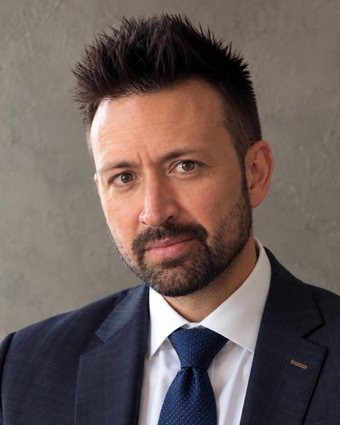
Chief Strategy Officer and GM Medical Solutions, Health Transformation Alliance
Health Transformation Alliance

Reimbursement is the hinge on which broad access — and the financial viability of the drug development and clinical ecosystem — will turn.
In some ways, these new drugs and their accompanying treatments are no more expensive or complex than common medical treatments in other specialities. However, in other regards, including their public perception, they are sui generis.
In this session, payer and market-access experts will raise the crucial questions about how, when, and how much public and private insurance reimbursement might be achieved – and how this affects the viability of the entire field.
Lori Englebert Lee Lewis Tanya Brara Shah Jeffrey Zabinski Jazz Glastra
Lori Englebert Lee Lewis Tanya Brara Shah Jeffrey Zabinski Jazz Glastra Chief Strategy Officer and GM Medical Solutions, Health Transformation Alliance
Health Transformation Alliance
Director of Interventional Psychiatry
Columbia University Irving Medical Center
A novel approach to rapidly scaling professional education for both new healthcare workers and clinicians, as well as the existing workforce.
Austin R. Pick Sandy Samberg
A novel approach to rapidly scaling professional education for both new healthcare workers and clinicians, as well as the existing workforce.
Austin R. Pick Sandy Samberg 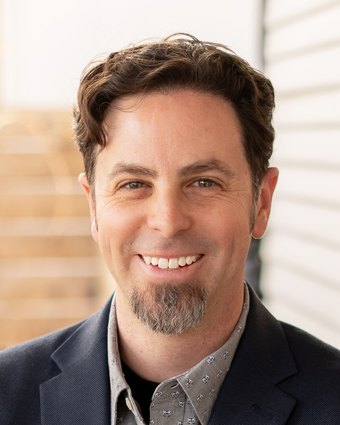
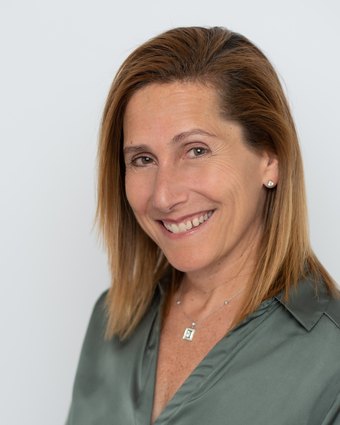
Over the last decade, while rivers of capital have flowed into drug development, professional education has remained neglected by the industry that will depend on it.
Recently, the Psychedelic Education Partnership has emerged as a leader in education for the full spectrum of the healthcare workforce by working in partnership with existing institutions.
The urgent need for education ranges from existing general practitioners who may be asked about referrals to students who hope to spend their careers in this field.
In this session, we’ll learn about this growing endeavor that already has over 180 participating faculty members from 70 universities across 35 US states, Washington, DC and Puerto Rico.
Insights from executives and organizations that ultimately take responsibility for delivering care to patients.
Myriam Barthes Daniel Bryant Kimberly Roddy William M. Sauvé Joy Sun Cooper
Insights from executives and organizations that ultimately take responsibility for delivering care to patients.
Myriam Barthes Daniel Bryant Kimberly Roddy William M. Sauvé Joy Sun Cooper 
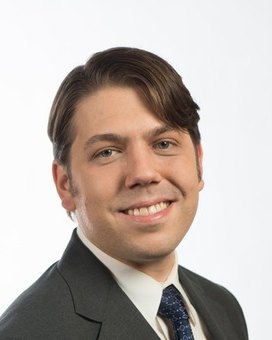
Daniel Bryant, MSEd, LPC, CCTP
Clinical Director of Substance Use Disorder Services
Community Health Center, Inc.
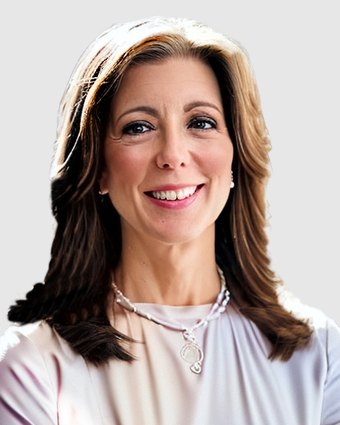
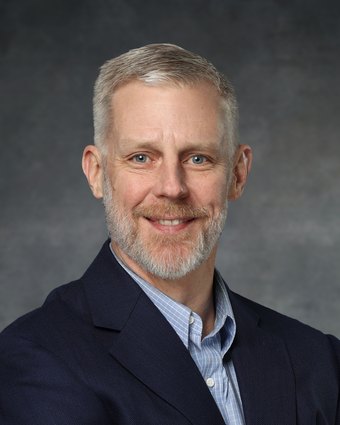

At the end of the day, psychedelic medicine ultimately relies upon skilled practitioners, safe places of care, and healthy organizations to support them.
What has been learned from psychedelic trials? How might the provision of psychedelic therapies draw on that of other therapies, and how may it differ? How prepared is the industry for the day when theory meets practice in a post-approval world?
Join us as we hear what leaders across the care delivery landscape believe will be needed to deliver safe, effective care at scale while staying in the black.
A closing interview with Eli Lilly Executive Vice President Carole Ho and Psychedelic Alpha founder Josh Hardman.
Carole Ho Josh Hardman
A closing interview with Eli Lilly Executive Vice President Carole Ho and Psychedelic Alpha founder Josh Hardman.
Carole Ho Josh Hardman 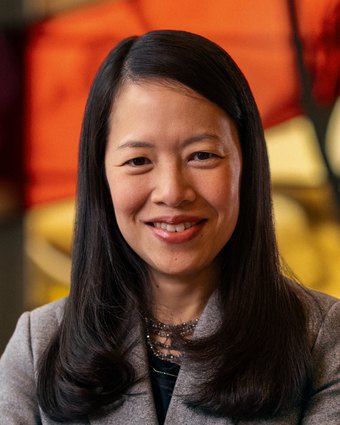
Carole Ho, MD is executive vice president of Eli Lilly and Company and president of Lilly Neuroscience. Throughout her career, Carole has guided teams through the full spectrum of drug development, driving progress from early research to pivotal clinical milestones and global launches.
Before joining Lilly, Carole was the founding chief medical officer and head of development at Denali Therapeutics, where she established a dynamic development infrastructure that accelerated progress across multiple neurological indications.
Throughout her career, Carole has championed innovative approaches to clinical research, spearheaded landmark prevention trials, and cultivated partnerships that have shaped the future of neuroscience. Carole completed her residency in neurology at Massachusetts General Hospital/Brigham and Women’s Hospital, where she also served as chief resident. She obtained her M.D. from Cornell University and S.B. in Biochemical Sciences from Harvard College.
Industry registrations include a reception in the Reading Room on the 3rd floor of the New York Academy of Medicine.
Industry registrations include a reception in the Reading Room on the 3rd floor of the New York Academy of Medicine.
Following the close of the Psychedelic Healthcare Forum, we invite Industry attendees to join us in the Reading Room on the 3rd floor for a celebration with hors d’oeuvres and drinks.
Off-site evening networking, education, and entertainment options from our Community Allies.
Off-site evening networking, education, and entertainment options from our Community Allies.
This evening’s options include:
Please note that these are independently-produced events. Additional ticketing may be required. Your Horizons badge is not a ticket for these events. Please contact their respective organizers with questions.
Friday, October 16, 2026 · The New York Academy of Medicine
Science, Medicine, and Psychedelics
A discourse on the meaning of recent empirical research into psychedelics set against the longer history of psychedelic science with various excursions into other epistemological waters.
Kevin Balktick
A discourse on the meaning of recent empirical research into psychedelics set against the longer history of psychedelic science with various excursions into other epistemological waters.
Kevin Balktick With the recent and upcoming completion of several Phase 3 studies that investigate numerous psychedelics for the treatment of several mental health indications and ongoing quest to identify the loci of their remarkable effects, a number of fault lines have emerged in the scientific, medical, and patient communities. Before we dive into a day of facts and findings, let us ponder the different ways in which one might approach this growing mountain of data.
Two scientists leading official regulatory and grantmaking bodies discuss their respective priorities for the next generation of research and the evaluation of drug candidates and treatments.
Andrea Beckel-Mitchener Valentina Mantua Julie Holland
Two scientists leading official regulatory and grantmaking bodies discuss their respective priorities for the next generation of research and the evaluation of drug candidates and treatments.
Andrea Beckel-Mitchener Valentina Mantua Julie Holland 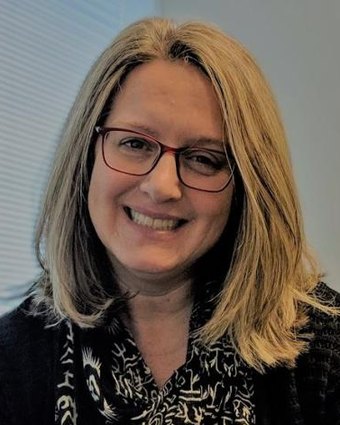
Acting Director, National Institute of Mental Health
National Institutes of Health
Associate Director for Regulatory Science
U.S. Food and Drug Administration
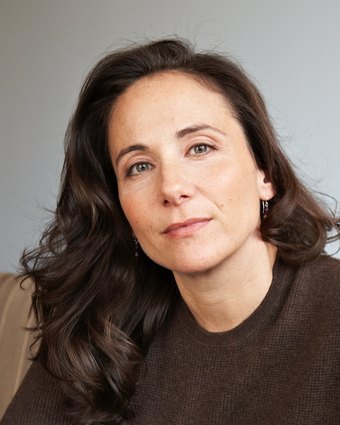
Andrea Beckel-Mitchener, PhD, Acting Director of the National Institute of Mental Health (NIMH) and Deputy Director of the NIH BRAIN Initiative, joined NIH in 2004 and has led major neuroscience programs, including NIMH's Functional Neurogenomics program and the BRAIN Initiative Cell Census Network. She holds a PhD in Molecular Neuroscience from the University of New Mexico.
Valentina Mantua, MD, PhD, Associate Director for Regulatory Science in the Office of Neuroscience at the FDA's Center for Drug Evaluation and Research, joined the agency in 2019 after serving as the Italian delegate to several European Medicines Agency committees. A psychiatrist, she holds a PhD in the neurobiology of affective disorders.
An exploration of new insights and questions distilled from the latest generation of psychedelic neuroimaging studies.
Manesh Girn
An exploration of new insights and questions distilled from the latest generation of psychedelic neuroimaging studies.
Manesh Girn 
Psychedelic drugs are re-emerging as promising scientific and clinical tools. However, despite a rapidly expanding literature on their therapeutic value, the neural mechanisms underlying psychedelic effects remain unclear.
Resting-state functional magnetic resonance imaging studies of acute psychedelic effects, conducted independently by several research groups, have so far yielded fragmented and sometimes inconsistent findings.
To help facilitate greater convergence, we conducted a ‘mega-analysis’ integrating 11 independent resting-state functional magnetic resonance imaging datasets across five psychedelic drugs (psilocybin, lysergic acid diethylamide, mescaline, N,N-dimethyltryptamine and ayahuasca) from research groups spanning three continents and five countries.
Together, these findings extend past work by demonstrating that psychedelics reconfigure large-scale cortical organization while selectively engaging subcortical circuitry. This study provides the most comprehensive synthesis of psychedelic brain action to date, helping resolve inconsistencies and offering a probabilistic map of how psychedelics alter large-scale brain organization.
Citation: Girn, M., Doss, M. K., Roseman, L., Preller, K. H., Palhano-Fontes, F., Pasquini, L., Barrett, F. S., Mallaroni, P., Mason, N. L., Timmermann, C., McCulloch, D. E., Fisher, P. M., Winston, B. S., Moujaes, F., Muller, F., Liechti, M. E., Vollenweider, F. X., Ramaekers, J. G., Kuypers, K., ... Bzdok, D. (2026). An international mega-analysis of psychedelic drug effects on brain circuit function. Nature medicine, 32(4), 1543-1554. https://doi.org/10.1038/s41591-026-04287-9
An overview of the COMP360 psilocybin clinical development program and ongoing research in treatment-resistant depression.
Guy Goodwin
An overview of the COMP360 psilocybin clinical development program and ongoing research in treatment-resistant depression.
Guy Goodwin 
Dr. Guy Goodwin, Chief Medical Officer of Compass Pathways and Emeritus Professor of Psychiatry at the University of Oxford, will provide an overview of the COMP360 clinical development program in treatment-resistant depression (TRD), including two Phase 3 trials involving more than 800 participants from multiple countries.
The session will examine the evolution of research in TRD, including considerations in clinical trial design, the development of investigational treatment approaches, and the broader scientific landscape.
Dr. Goodwin will discuss the scope of the COMP360 program, ongoing areas of investigation, and considerations for future research in serious mental health conditions.
COMP360 is a synthetic psilocybin treatment under investigation for the treatment of mental health conditions, including TRD and PTSD.
References
Thoughts on the future of the study designs and outcome measures from Rachel Yehuda, PhD, Director of The Parsons Research Center for Psychedelic Healing at Icahn School of Medicine at Mount Sinai.
Rachel Yehuda
Thoughts on the future of the study designs and outcome measures from Rachel Yehuda, PhD, Director of The Parsons Research Center for Psychedelic Healing at Icahn School of Medicine at Mount Sinai.
Rachel Yehuda 
Chemers Neustein Family Professor of Trauma and Resilience
Icahn School of Medicine at Mount Sinai
Dr. Yehuda is presenting clinical and biological data from the first completed VA trial.
As large-scale studies of psychedelic therapy mature, the field is in the midst of confronting a validation problem shared across psychiatry: treatment response is still measured almost entirely through self-report symptom scales. The next generation of trials, for psychedelics and for mental health treatments generally, can expect to integrate objective biomarker and neuroimaging correlates that can supplement questionnaires with objective, measurable evidence.
Rachel Yehuda's lab has spent decades investigating biological evidence for trauma treatment, such as DNA methylation changes on stress-related genes and structural brain differences in the hippocampus and cingulate cortex that distinguish PTSD from trauma exposure without it.
As a co-investigator on MAPS' Phase 3 MDMA trial, her group ran an early pilot testing whether these molecular markers shift with MDMA-assisted therapy specifically, one of the first attempts to give a psychedelic trial a biological outcome measure alongside its clinical one.
She now leads several active trials at Mount Sinai applying this approach directly, including psilocybin- and MDMA-assisted therapy studies in veterans, healthcare providers, and the adult children of genocide survivors. Dr. Yehuda will discuss where she sees psychedelic and psychiatric outcome measures heading next, and what a biomarker- and neuroimaging-informed generation of trials could add to the field.
References
- A Phase 1, Open-Label Study to Assess Psychological and Biological Effects of MDMA Assisted Therapy for Mental Healthcare Providers. NCT07102576. ClinicalTrials.gov.
- A Dose Optimization Study of MDMA-Assisted Therapy for PTSD in U.S. Veterans. NCT06418178. ClinicalTrials.gov.
- Processing Intergenerational Trauma With Psilocybin-Assisted Therapy. NCT06899165. ClinicalTrials.gov.
- Investigating the Role of Serotonin in the Mechanism of Action of Psilocybin in Patients With Major Depressive Disorder. NCT06592833. ClinicalTrials.gov.
- Holocaust Exposure Induced Intergenerational Effects on FKBP5 Methylation. Yehuda R, Daskalakis NP, Bierer LM, et al. 2016;80(5):372–380. DOI: 10.1016/j.biopsych.2015.08.005.
- Pilot study suggests DNA methylation of the glucocorticoid receptor gene (NR3C1) is associated with MDMA-assisted therapy treatment response for severe PTSD. Lewis CR, Tafur J, Spencer S, et al. 2023;14:959590. DOI: 10.3389/fpsyt.2023.959590.
- Investigating the safety and tolerability of single-dose psilocybin for post-traumatic stress disorder: A nonrandomized open-label clinical trial. McGowan NM, Rucker JJ, Yehuda R, et al. 2026;40(1):139–148. DOI: 10.1177/02698811251362390.
- Cingulate and hippocampal subregion abnormalities in combat-exposed veterans with PTSD. Szeszko PR, Bierer LM, Bader HN, et al. 2022;311:432–439. DOI: 10.1016/j.jad.2022.05.081.
Catered lunch for Industry attendees is served in the Reading Room on the 3rd floor of the New York Academy of Medicine.
Catered lunch for Industry attendees is served in the Reading Room on the 3rd floor of the New York Academy of Medicine.
Industry registrations include a catered luncheon in the Reading Room on the 3rd floor of the New York Academy of Medicine. (Most common dietary needs can be accommodated, but please inform a server if you have allergies.)
For Community registrations, options may be available at the cafe on the ground-floor (while supplies last) and in the neighborhood. You are also welcome to bring your own lunch or order delivery (in “personal use” quantities) to the venue. Consider a picnic in Central Park, weather permitting.
Please return to the auditorium by 2:20pm, as sessions resume at 2:30pm sharp.
Preliminary findings from a Massachusetts General Hospital pilot study—conducted at a Harvard Medical School teaching hospital—of psilocybin-assisted therapy for a disorder of gut-brain interaction.
Juliana Zambrano
Preliminary findings from a Massachusetts General Hospital pilot study—conducted at a Harvard Medical School teaching hospital—of psilocybin-assisted therapy for a disorder of gut-brain interaction.
Juliana Zambrano 
Instructor of Psychiatry, Harvard Medical School
Massachusetts General Hospital
Irritable bowel syndrome is a common and often disabling disorder of gut-brain interaction involving abdominal pain, altered bowel function, stress, mood, and the perception of bodily sensations. Many people continue to experience substantial symptoms despite available medical and behavioral treatments.
Investigators at Massachusetts General Hospital recently completed the principal phase of a pilot study of psilocybin-assisted therapy for IBS. Juliana Zambrano, MD, MPH, will present preliminary quantitative findings alongside participants’ qualitative accounts, examining both measurable symptom changes and how people described the treatment experience.
By bringing gastrointestinal symptoms, pain, mood, neuroplasticity, and lived experience into a common framework, the study asks whether psychedelic-assisted therapy might address several dimensions of IBS at once. It also offers a way of thinking about disorders of gut-brain interaction that moves beyond a simple division between “physical” and “psychological” illness.
References
University of Washington research on whether a group retreat model can safely address anxiety, depression, and existential distress among people living with metastatic cancer.
Anthony L. Back
University of Washington research on whether a group retreat model can safely address anxiety, depression, and existential distress among people living with metastatic cancer.
Anthony L. Back 
People living with metastatic and incurable cancer often experience anxiety, depression, and existential distress alongside their physical illness. Most studies of psilocybin therapy have used an individual treatment model, which can be resource-intensive and may overlook the therapeutic possibilities of community and shared experience.
In a Phase 1/2 study, Anthony L. Back, MD, and colleagues developed a group model in which participants prepared and integrated together, with psilocybin administered during a three-day residential retreat. The model draws on the structure of rites of passage, translating elements of separation, transition, and return into a secular therapeutic setting.
This presentation examines the safety, feasibility, and preliminary outcomes of the retreat model, as well as the roles that group cohesion, mutual recognition, and social support may play in the therapeutic process. The study raises a broader question: are community and ritual simply containers for psychedelic therapy, or active components of its effects?
References
- A Phase 1/2 Study of a Group Model of Psilocybin-Assisted Therapy for Cancer-Related Anxiety in Patients With Metastatic Cancer. NCT05847686. ClinicalTrials.gov.
- Group Retreat Psilocybin Therapy for People with Metastatic Cancer with Symptoms of Anxiety and Depression: Safety and Efficacy Outcomes of a Phase 1/2 Study. Back AL, McGregor BA, Thorn LL, et al. 2026. DOI: 10.1177/28314425251413856. Psychedelic Medicine.
- Group Retreat Psilocybin Therapy for People with Metastatic Cancer with Anxiety and Depression: A Rite of Passage Facilitation Model for a Phase 1/2 Study. Back AL, McGregor BA, Billingsley L, et al. 2026;4(3):222–230. DOI: 10.1177/28314425251404460. Psychedelic Medicine.
Research examining the therapeutic potentials of psilocybin in patients with post-treatment Lyme Disease and other nonpsychiatric conditions
Meghan DellaCrosse Albert Garcia-Romeu
Research examining the therapeutic potentials of psilocybin in patients with post-treatment Lyme Disease and other nonpsychiatric conditions
Meghan DellaCrosse Albert Garcia-Romeu 
Affiliate Scientist
Johns Hopkins Center for Psychedelic and Consciousness Research
Psychologist and Pharmacology Researcher
Johns Hopkins Center for Psychedelic and Consciousness Research
Post-treatment Lyme disease can involve depression, anxiety, cognitive changes, physical symptoms, and diminished quality of life. Effective treatments for this burden of illness remain limited. However, recent work suggests potential benefits of psilocybin in patients with post-treatment Lyme and other non-psychiatric conditions.
Albert Garcia-Romeu, PhD, and Meghan DellaCrosse, PsyD, will discuss an open-label pilot study of 20 people with post-treatment Lyme disease, including recently published findings supporting lasting clinical benefit of psilocybin and qualitative analysis of participants' firsthand experiences.
Reported improvements in overall symptom burden, quality of life, mood, fatigue, sleep, and pain were sustained for six months after two doses of psilocybin. Although the mechanisms and ramifications of these findings require further consideration, they highlight expanding research on psychedelics for conditions outside the psychiatric indications where they have primarily been studied to date.
Presenters will discuss how psilocybin's effects on mood, pain, psychological flexibility, and the experience of illness may create myriad opportunities to utilize psychedelic therapies in a broad range of disease conditions that are just beginning to be explored in clinical research.
References
- Effects of Psilocybin in Post-Treatment Lyme Disease. NCT05305105. ClinicalTrials.gov.
- Pilot Study of Serotonin 2A Receptor (5-HT2A) Agonist Psilocybin for Depression in Patients With Mild Cognitive Impairment or Early Alzheimer’s Disease. NCT04123314. ClinicalTrials.gov.
- Pilot study of psilocybin in patients with post-treatment lyme disease. Garcia-Romeu A, Naudé GP, Rebman AW, et al. 2026;16:7497. DOI: 10.1038/s41598-026-38091-9. Scientific Reports.
Research from the University of California, San Francisco Translational Psychedelic Research Program across neurological, pain, and psychiatric conditions.
Gisele Fernandes-Osterhold
Research from the University of California, San Francisco Translational Psychedelic Research Program across neurological, pain, and psychiatric conditions.
Gisele Fernandes-Osterhold 
Gisele Fernandes-Osterhold, LMFT
Director of Psychedelic Facilitation, TrPR Program
University of California San Francisco (UCSF)
People living with chronic pain, Parkinson’s disease, and serious mood disorders often experience more than a single, isolated symptom. Pain, depression, anxiety, physical limitation, cognitive changes, and the loss of meaning or identity can become deeply intertwined.
Across recent and ongoing studies, University of California, San Francisco investigators have examined psilocybin therapy for mood dysfunction in Parkinson’s disease, depression in bipolar II disorder, and chronic pain. These early studies combine carefully supported psilocybin sessions with quantitative assessments and close attention to participants’ lived experiences.
In a published open-label Parkinson’s pilot, 12 participants received two doses of psilocybin with psychotherapy. No serious adverse events, medical interventions, worsening of Parkinson’s symptoms, or exacerbation of psychosis were observed; preliminary improvements in depression and anxiety persisted through three months. Gisele Fernandes-Osterhold, LMFT, will consider what these studies suggest about symptom relief, quality of life, meaning-making, and a person’s relationship to illness—even when the underlying disease remains.
References
- Psilocybin Therapy for Depression and Anxiety in Parkinson’s Disease. NCT04932434. ClinicalTrials.gov.
- Psilocybin therapy for mood dysfunction in Parkinson’s disease: an open-label pilot trial. Bradley ER, Sakai K, Fernandes-Osterhold G, et al. 2025;50(8):1200–1209. DOI: 10.1038/s41386-025-02097-0. Neuropsychopharmacology.
- Psilocybin Therapy for Depression in Bipolar II Disorder. NCT05065294. ClinicalTrials.gov.
- Psilocybin With Intracranial Neural Sensing. NCT06919640. ClinicalTrials.gov.
Researchers from four psilocybin therapy research teams compare what their studies suggest about clinical change, possible mechanisms, and how participants understand their experiences.
Anthony L. Back Meghan DellaCrosse Gisele Fernandes-Osterhold Albert Garcia-Romeu Juliana Zambrano Julie Holland
Researchers from four psilocybin therapy research teams compare what their studies suggest about clinical change, possible mechanisms, and how participants understand their experiences.
Anthony L. Back Meghan DellaCrosse Gisele Fernandes-Osterhold Albert Garcia-Romeu Juliana Zambrano Julie Holland Affiliate Scientist
Johns Hopkins Center for Psychedelic and Consciousness Research
Gisele Fernandes-Osterhold, LMFT
Director of Psychedelic Facilitation, TrPR Program
University of California San Francisco (UCSF)
Psychologist and Pharmacology Researcher
Johns Hopkins Center for Psychedelic and Consciousness Research
Instructor of Psychiatry, Harvard Medical School
Massachusetts General Hospital
Psilocybin therapy is being studied across conditions that differ greatly in symptoms, prognosis, and lived experience.
The discussion will look beyond whether symptom scores improved to ask what changed for participants and how those changes might be understood. What patterns recur across studies, and where do the conditions or treatment models produce important differences? The panel will consider how psychological experience, group support, meaning-making, and biological effects may relate to one another, while also asking what these early findings can and cannot establish about mechanisms of action.
Jamila Hokanson Amy Lehrner
Jamila Hokanson Amy Lehrner 
Director of Operations, Yale Program for Psychedelic Science
Yale School of Medicine, Department of Psychiatry
Over the last twenty years, headlines about psychedelic medicine have often focused on clinical trials showing impressive outcomes for a variety of indications.
However, below the fold, there is much to discuss about those who do not respond to the treatment. Even within the most successful studies, there exist many hopeful participants for whom the intervention does not succeed. And in some cases, properly administered treatments may also result in adverse outcomes.
Join us as we strengthen our understanding of psychedelic trials by learning from clinical experiences that may disappoint but is nonetheless valuable.
Why ibogaine may not act like a conventional central nervous system drug, and a new approach to understanding its complex mechanisms and effects.
Dalibor Sames
Why ibogaine may not act like a conventional central nervous system drug, and a new approach to understanding its complex mechanisms and effects.
Dalibor Sames 
Ibogaine is a psychoactive, oneiric alkaloid from the West African Iboga plant that has attracted interest for its apparent ability to rapidly interrupt opioid dependence and treat several serious psychiatric and neurological disorders. Yet no single established mechanism explains the breadth or persistence of these effects. Unlike many conventional central nervous system drugs, ibogaine does not appear to work through any primary receptor or other molecular target.
Neurochemistry professor Dalibor Sames, PhD, and colleagues at Columbia University, proposes a novel “matrix pharmacology” model in which ibogaine’s effects arise from a seemingly coordinated pattern of distributed modulations that occur outside the canonical receptor interactions, including complex regulation of serotonin and monoamine signaling.
Drawing on laboratory research, preclinical evidence, and emerging clinical observations, Dr. Sames will examine the foundations of this theory, how it can be tested and whether it can guide design of safer iboga-inspired medicines and treatments. The larger question arises whether ibogaine is an unusually complex drug, or rather a lead to an entirely new paradigm of thinking and designing therapeutic and health-enhancing molecular technologies.
References
Deciphering Ibogaine’s Matrix Pharmacology: Multiple Transporter Modulation at Serotonin Synapses*. Hwu C, Havel V, Westergaard X, et al. 2026;148(1):175–193. DOI: 10.1021/jacs.5c06325. Journal of the American Chemical Society.(https://doi.org/10.1021/jacs.5c06325) Oxa-Iboga alkaloids lack cardiac risk and disrupt opioid use in animal models. Havel V, Kruegel AC, Bechand B, et al. 2024;15:8118. DOI: 10.1038/s41467-024-51856-y. Nature Communications (https://doi.org/10.1038/s41467-024-51856-y)
Kevin Balktick Julie Holland
Kevin Balktick Julie Holland Off-site evening networking, education, and entertainment options from our Community Allies.
Off-site evening networking, education, and entertainment options from our Community Allies.
This evening’s options include:
Please note that these are independently-produced events. Additional ticketing may be required. Your Horizons badge is not a ticket for these events. Please contact their respective organizers with questions.
Saturday, October 17, 2026 · The New York Academy of Medicine
Psychedelics in the World
A discourse on the gyre of regulatory and cultural gateways through which humans might experience psychedelics at home and abroad.
Kevin Balktick Juliana Mercer
A discourse on the gyre of regulatory and cultural gateways through which humans might experience psychedelics at home and abroad.
Kevin Balktick Juliana Mercer 
Moderator
Director, Veteran Advocacy and Public Policy, Healing Breakthrough
Healing Breakthrough
The United States has recently emerged as an unlikely policy leader in a decadeslong movement to create regulated access pathways to psychedelics. In a uniquely American way, rather than there being a single, well-defined national framework, several concurrent options have emerged. FDA-regulated medicine, state-regulated supervised experiences, religious use, decriminalization, and of course, unregulated use of many stripes all co-exist alongside one another.
Before hearing from leaders of initiatives across this spectrum, let us think about the uniqueness of this moment in American psychedelic policy and culture, how it compares to the global and historical cornucopia of dynamics between psychedelics and humans.
Findings from Denver Health’s Rocky Mountain Poison & Drug Safety National Survey Investigating Hallucinogenic Trends.
Kate M. Reynolds
Findings from Denver Health’s Rocky Mountain Poison & Drug Safety National Survey Investigating Hallucinogenic Trends.
Kate M. Reynolds 
Existing national drug surveys often ask only broad questions about psychedelic use or lack the rigor to reliable measure factors important to understanding the real-world implications of psychedelic use. Rocky Mountain Poison & Drug Safety has created the National Survey Investigating Hallucinogenic Trends (NSIHT) to collect detailed, substance-specific data while producing reliable estimates for the United States adult population.
The recent 2025 NSIHT report draws on 52,764 completed surveys, including 3,880 adults who reported psychedelic use in the previous year. It estimated that 5.3% of United States adults—about 13.9 million people—used at least one of 13 psychedelic, hallucinogenic, or dissociative substances in 2025. Psilocybin was the most common, and patterns differed by substance, age, sex, and region.
Using the 2024 and 2025 NSIHT datasets, Kate M. Reynolds, MPH, will present findings on prevalence, reasons, and perceived risks and benefits. The results show why national surveillance must distinguish among substances and track both regulated and unregulated use as laws and patterns of access change.
The most recent (2025) NSIHT report is available here: -https://www.rmpds.org/sites/default/files/2026-09/2025%20NSIHT%20Report_Final%20Report_0.pdf
The bibliography of NSIHT publications is available here: https://www.zotero.org/groups/6619074/nsiht_public_bibliography
The first prospective, multisite evidence on safety and outcomes from psilocybin services delivered through Oregon’s regulated community model.
Jason Luoma
The first prospective, multisite evidence on safety and outcomes from psilocybin services delivered through Oregon’s regulated community model.
Jason Luoma 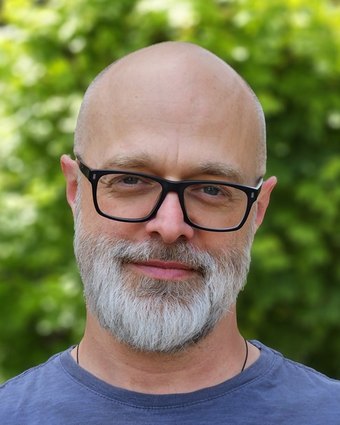
Oregon’s psilocybin program allows adults to receive mushroom-derived psilocybin at licensed service centers under the supervision of licensed facilitators. It differs from clinical trials in important ways: clients do not need a diagnosis or referral, services occur in community settings, and clinical treatment is generally outside the facilitator’s scope.
The Open Psychedelic Evaluation Nexus followed 346 clients at 24 of Oregon’s 26 active service centers, with confidential assessments before their session and at one week, one month, and three months afterward. Four participants, or 1.2%, experienced behavioral reactions requiring medical attention. At one month, 92.2% reported that they had benefited from the experience; at three months, participants reported lower levels of depression, anxiety, and post-traumatic stress symptoms, along with greater mental well-being and life satisfaction.
Jason B. Luoma, PhD, will present these findings and their limits. The longitudinal outcome and safety results come from the 346-person prospective cohort; the paper also compares that cohort with Oregon Health Authority administrative data for all service recipients during the overlapping period to assess representativeness. The study is observational and has no control group, but it offers an early view of real-world safety, outcomes, informed consent, and the need for longer-term monitoring.
References
How New Mexico is building a medically focused psilocybin program around clinical oversight, natural products, equity, research, and public accountability.
Denali Wilson
How New Mexico is building a medically focused psilocybin program around clinical oversight, natural products, equity, research, and public accountability.
Denali Wilson 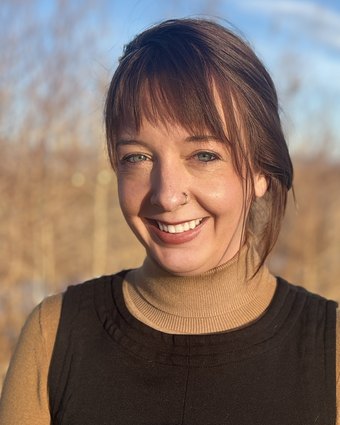
Governor Michelle Lujan Grisham signed Senate Bill 219, the Medical Psilocybin Act, on April 7, 2025. The law created a program within the New Mexico Department of Health for qualified patients with treatment-resistant depression, post-traumatic stress disorder, substance use disorders, and end-of-life anxiety or depression.
The law authorizes natural psilocybin in approved settings under clinical supervision, creates a Medical Psilocybin Advisory Board, and establishes separate funds for treatment access and research. It also directs the Department of Health to collect data, evaluate the program, and publish annual assessments.
Denali Wilson, New Mexico State Director of Strategic Support at the Healing Advocacy Fund, will explain the model as the Department develops rules for producers, laboratories, clinicians, approved settings, treatment protocols, and safety. The statute requires implementation by December 31, 2027; the Department’s current public goal is to enroll the first patients by the end of December 2026, with medical use and supervised dosing beginning once the rules and regulations are complete and in effect. The session will examine how New Mexico’s medical framework differs from the broader adult-access systems in Oregon and Colorado.
References
- Medical Psilocybin Act. Senate Bill 219, Chapter 73, signed April 7, 2025. New Mexico Legislature.
- Medical Psilocybin Program. New Mexico Department of Health.
- Medical Psilocybin Program Frequently Asked Questions. New Mexico Department of Health.
- White Paper on Psilocybin. Updated September 3, 2024. New Mexico Department of Health.
Harry Grammer Ariana Judith Zepeda
Harry Grammer Ariana Judith Zepeda 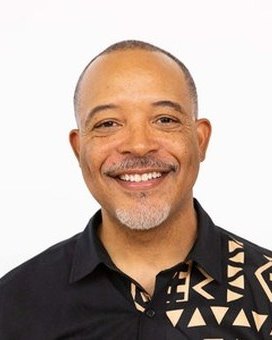
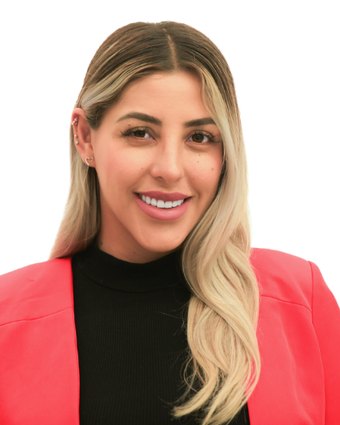
What if psychedelic healing could do more than help young people recover from trauma? What if it could expand the boundaries of who they believe they can become? Harry Grammer, PhD, and Ariana Zepeda, LCSW, of New Earth share a powerful journey from the concrete walls of youth incarceration to psychedelic-assisted therapy, the rainforests of Costa Rica and Ecuador, and an emerging vision for a new generation of global service leaders. Drawing from New Earth’s work with formerly incarcerated and at-risk youth ages 13–25, they explore a model where psychedelics open the window, nature becomes the doorway, the world becomes the classroom, and service becomes the purpose. The presentation will introduce New Earth’s developing Community Care Clinic in Los Angeles and the vision for Nueva Tierra in Ecuador to help young people move beyond the boundaries of trauma, neighborhoods, and systems to discover their place, purpose, and capacity to serve in a much larger world.
How Americans for Ibogaine is organizing a national coalition to advance rigorous clinical research, state legislation, and responsible medical access.
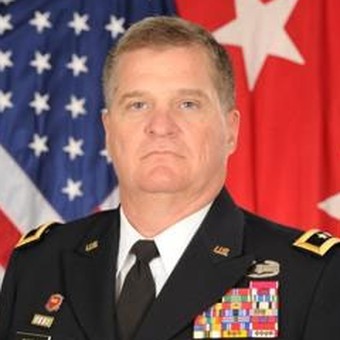
Maj. Gen. Glenn H. Curtis (Ret.) W. Bryan Hubbard Martin Tucker
How Americans for Ibogaine is organizing a national coalition to advance rigorous clinical research, state legislation, and responsible medical access.
Maj. Gen. Glenn H. Curtis (Ret.) W. Bryan Hubbard Martin Tucker 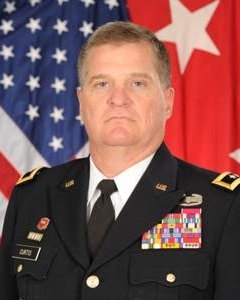
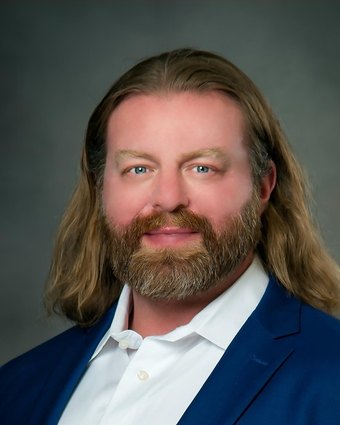
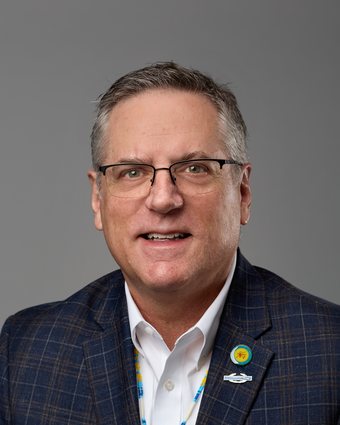
W. Bryan Hubbard, Chief Executive Officer of Americans for Ibogaine, and Maj. Gen. Glenn H. Curtis (Ret.), an Americans for Ibogaine Ambassador and founder of Awaken Warriors, will discuss the coalition forming around the clinical development of ibogaine and related psychedelic medicines in the United States. Their perspectives bring together policy strategy, military and veteran advocacy, tribal leadership, and lived experience.
The session traces recent state legislation and research programs, Executive Order 14401, and the Advanced Research Projects Agency for Health’s ASCENT-IBO initiative. ASCENT-IBO calls for early-stage clinical trials of ibogaine for opioid use disorder and coordination among researchers, clinicians, government, and other partners. The speakers will consider how coalitions can secure public investment, build durable research pathways, and maintain accountability as the evidence base develops.
Ibogaine remains a Schedule I controlled substance and is not approved for medical use in the United States. The conversation will address what responsible progress requires: rigorous trials, appropriate clinical safeguards, community participation, and transparent oversight before broader access is considered.
References
- Ibogaine Legislation: State-by-State Tracker. Americans for Ibogaine.
- Accelerating Medical Treatments for Serious Mental Illness. Executive Order 14401, April 18, 2026. The White House.
- ASCENT-IBO: Accelerating Safe Clinical Evaluation of Novel Treatments: Ibogaine for Better Outcomes in Opioid Use Disorder. Advanced Research Projects Agency for Health.
Navigating Tensions in the Politics of Psychedelics
W. Bryan Hubbard Michelle Lhooq Krista Tippett
Navigating Tensions in the Politics of Psychedelics
W. Bryan Hubbard Michelle Lhooq Krista Tippett 
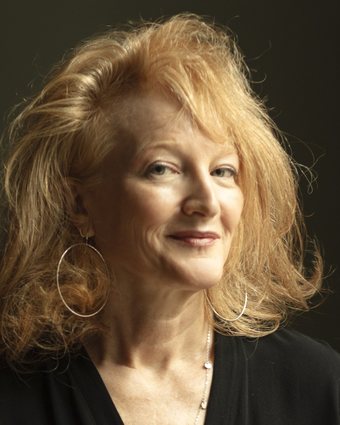
Over the last five years, a bipartisan political coalition has accomplished a dazzling streak of cultural and policy victories that seemed impossible as recently as ten years ago.
While united by a desire to increase safe and effective treatment options for serious mental health and neurological disorders, tensions have emerged as communities with dramatically different belief systems and values attempt to collaborate.
What are the unique forces that have held an unlikely coalition together thus far, and can they withstand the energy that may soon be released as idealized dreams convert into complex realities?
Catered lunch for Industry attendees is served in the Reading Room on the 3rd floor of the New York Academy of Medicine.
Catered lunch for Industry attendees is served in the Reading Room on the 3rd floor of the New York Academy of Medicine.
Industry registrations include a catered luncheon in the Reading Room on the 3rd floor of the New York Academy of Medicine. (Most common dietary needs can be accommodated, but please inform a server if you have allergies.)
For Community registrations, options may be available at the cafe on the ground-floor (while supplies last) and in the neighborhood. You are also welcome to bring your own lunch or order delivery (in “personal use” quantities) to the venue. Consider a picnic in Central Park, weather permitting.
Please return to the auditorium by 2:20pm, as sessions resume at 2:30pm sharp.
Reflections on the commercialization of traditional medicines and cultures in a globalized world from anthropologist and Chacruna Institute founder Beatriz Caiuby Labate, PhD.
Bia Labate
Reflections on the commercialization of traditional medicines and cultures in a globalized world from anthropologist and Chacruna Institute founder Beatriz Caiuby Labate, PhD.
Bia Labate 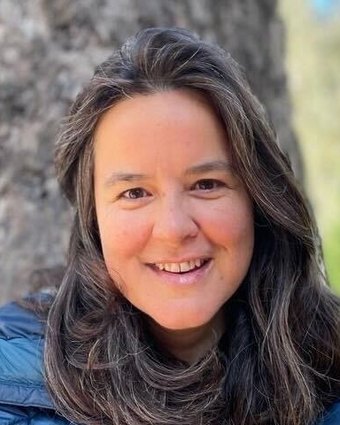
Dr. Beatriz Caiuby Labate (Bia Labate) is a renowned anthropologist, educator, author, speaker, mentor, and activist deeply committed to the protection of sacred plants and amplifying marginalized voices in the field of psychedelic science. Bia grew up in São Paulo, Brazil and lived there until she was 38 years old. From the age of 10 to 26 she participated in an international youth organization promoting peace and cultural dialogues. Intrepid backpacker and traveler since young age, she always enjoyed learning about other cultures, languages, and traditions, which lead her to study social sciences with a focus on anthropology. She first encountered mushrooms and peyote in 1990, while backpacking Mexico, and ayahuasca in the Amazon in 1996. A queer Brazilian anthropologist based in San Francisco, her academic and professional journey has been profoundly shaped by her experiences with ayahuasca.
Dr. Labate holds a Ph.D. in social anthropology from the University of Campinas (UNICAMP), Brazil. Her research focuses on psychedelic plant medicines, Indigenous shamanism, ceremony, religion, drug policy, and social justice. She is Executive Director of the Chacruna Institute for Psychedelic Plant Medicines, an organization dedicated to promoting reciprocity in the psychedelic community and supporting the protection of sacred plants and cultural traditions. She also serves as Senior Advisor for Culture and Strategy at the Multidisciplinary Association for Psychedelic Studies (MAPS), advocating for public education, harm reduction, and policy reform in the field of psychedelic-assisted therapies.
A view of the sudden surge in American interest in iboga and ibogaine from the Gabonese perspective
Paule-Prisca Ognigui Ebe
A view of the sudden surge in American interest in iboga and ibogaine from the Gabonese perspective
Paule-Prisca Ognigui Ebe 
Gabonese Cultural Advocate, Heritage Preservation Leader & Co-Founder, Y’Azo Communauté
Y’Azo Communauté
Ibogaine, once obscure not only in American popular culture but even within its psychedelic community, has stepped into the limelight.
While much has been made of what ibogaine might do for North Americans and Europeans struggling with addiction, traumatic brain injury, and other serious illnesses, much less attention has been paid to the living communities from which it originates.
The history of the Gabon nation and its relationship with the United States, the many ethnic communities and tribes that inhabit its lands, and the Bwiti religious practices and other traditional uses of tabernanthe iboga, and the day-to-day lives of Gabonese citizens are rich cultural stories that are still very much still being written.
How might the newfound American and global passion for ibogaine affect this already-complex cultural, ecological, and economic landscape, and what are the futures that Gabonese communities hope will emerge from this unexpected historical moment?
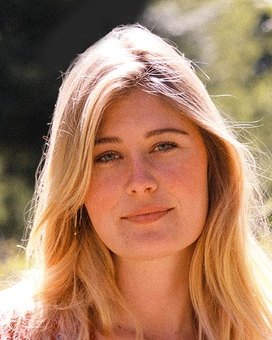
A conversation with Colectivo Huachuma about protecting Echinopsis pachanoi and related Echinopsis species (San Pedro cactus), Andean ecosystems, and the communities and traditions that have stewarded them across generations.
Alberto “Nachi” López Pérez Laurel Sugden
A conversation with Colectivo Huachuma about protecting Echinopsis pachanoi and related Echinopsis species (San Pedro cactus), Andean ecosystems, and the communities and traditions that have stewarded them across generations.
Alberto “Nachi” López Pérez Laurel Sugden 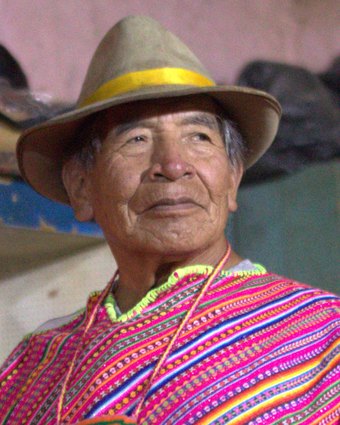
Board Member and Huachuma Conservation Center Director
Colectivo Huachuma
Long before mescaline arrived in the Victorian-era avant garde, Andean communities held relationships with Huachuma—also known as San Pedro—that were inseparable from place, ceremony, collective life, and systems of knowledge carried across generations. Those living traditions continue, but are under pressure from tourism, international trade, ecological degradation, and extraction.
Representatives of Colectivo Huachuma will trace the history and present condition of Huachuma in its homeland, and share a message endorsed by all 4 major healers’ associations in Huachuma territory, which together represent more than 300 Maestros Curanderos in northern Peru.
The session asks what stewardship requires when a plant, a landscape, a living healing tradition, and a local economy are all at stake. What philosophies and practices can preserve and strengthen traditional biocultures in a rapidly changing world?
References
- New statements from the Maestros Curanderos of North Peru. July 15, 2026. Huachuma Collective.
- Huachuma Collective: Biocultural conservation in the Andes. Official website. Huachuma Collective.
- The Ark: Biocultural Sustainability for the San Pedro Cactus. December 2, 2024. Laurel Sugden and Josip Orlovac Del Rio.
As the 19th Horizons conference comes to an end, speakers from across its many included disciplines will offer their parting thoughts, hopes, dreams, and questions after three long days of learning, connection, and community.
Off-site evening networking, education, and entertainment options from our Community Allies.
Off-site evening networking, education, and entertainment options from our Community Allies.
This evening’s options include:
Please note that these are independently-produced events. Additional ticketing may be required. Your Horizons badge is not a ticket for these events. Please contact their respective organizers with questions.
October 13-18, 2026
Community Events
The week of Horizons boasts a whole constellation of extracurricular events for every cluster of the psychedelic universe.
Offerings include networking socials, film screenings, dinners and brunches, community meet-ups, charity benefits, and, yes, music and parties.
We are grateful to our community allies for creating these activities and making the week a richer experience for everyone.

Our Venue
The New York Academy of Medicine
Established in 1847, the New York Academy of Medicine has been at the forefront of medical research, education, and advocacy for over 175 years.
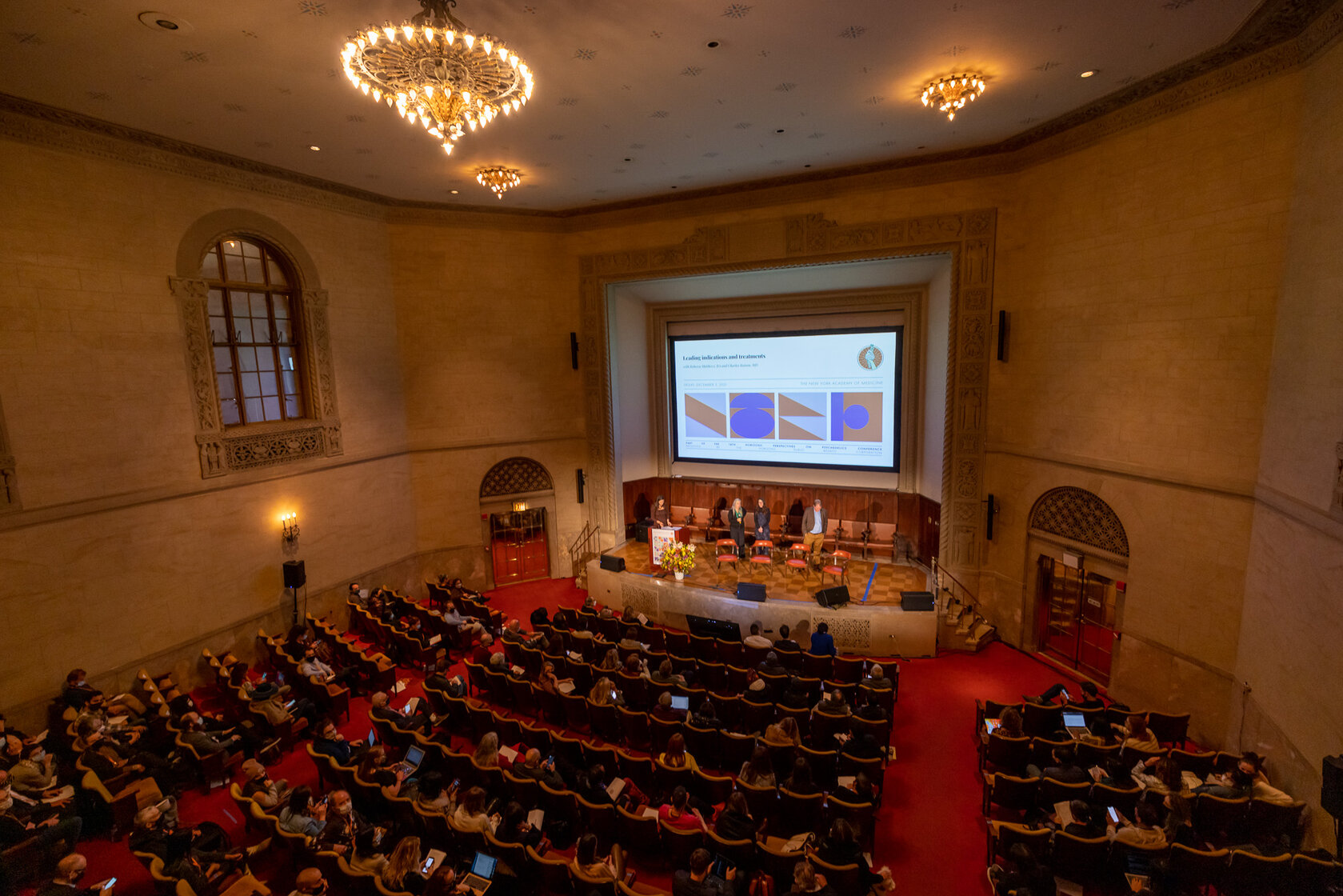
The building itself is an architectural landmark on the Upper East Side. Its library and archives house valuable collections of rare books, manuscripts, and artifacts, preserving the heritage of medicine and healthcare.
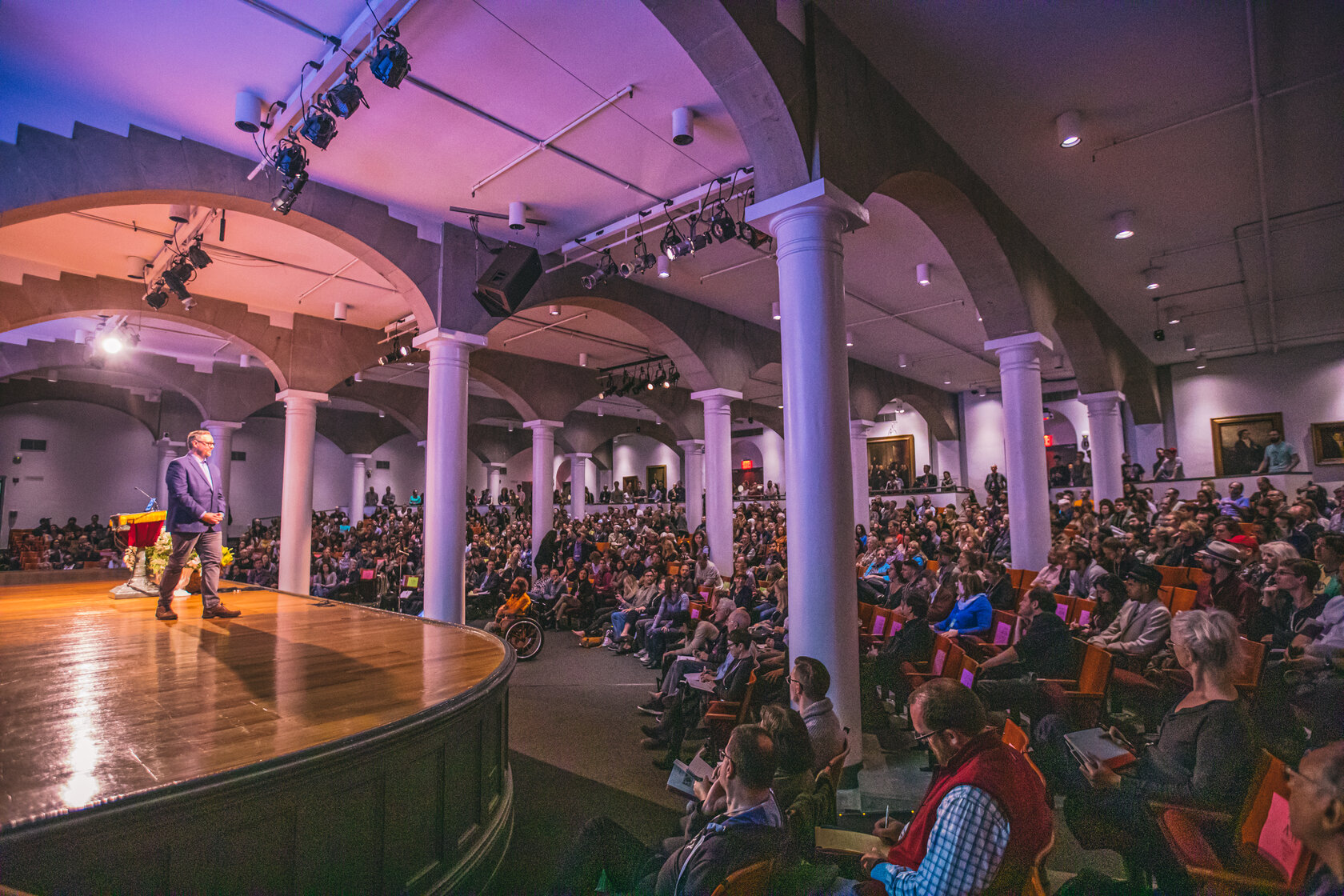
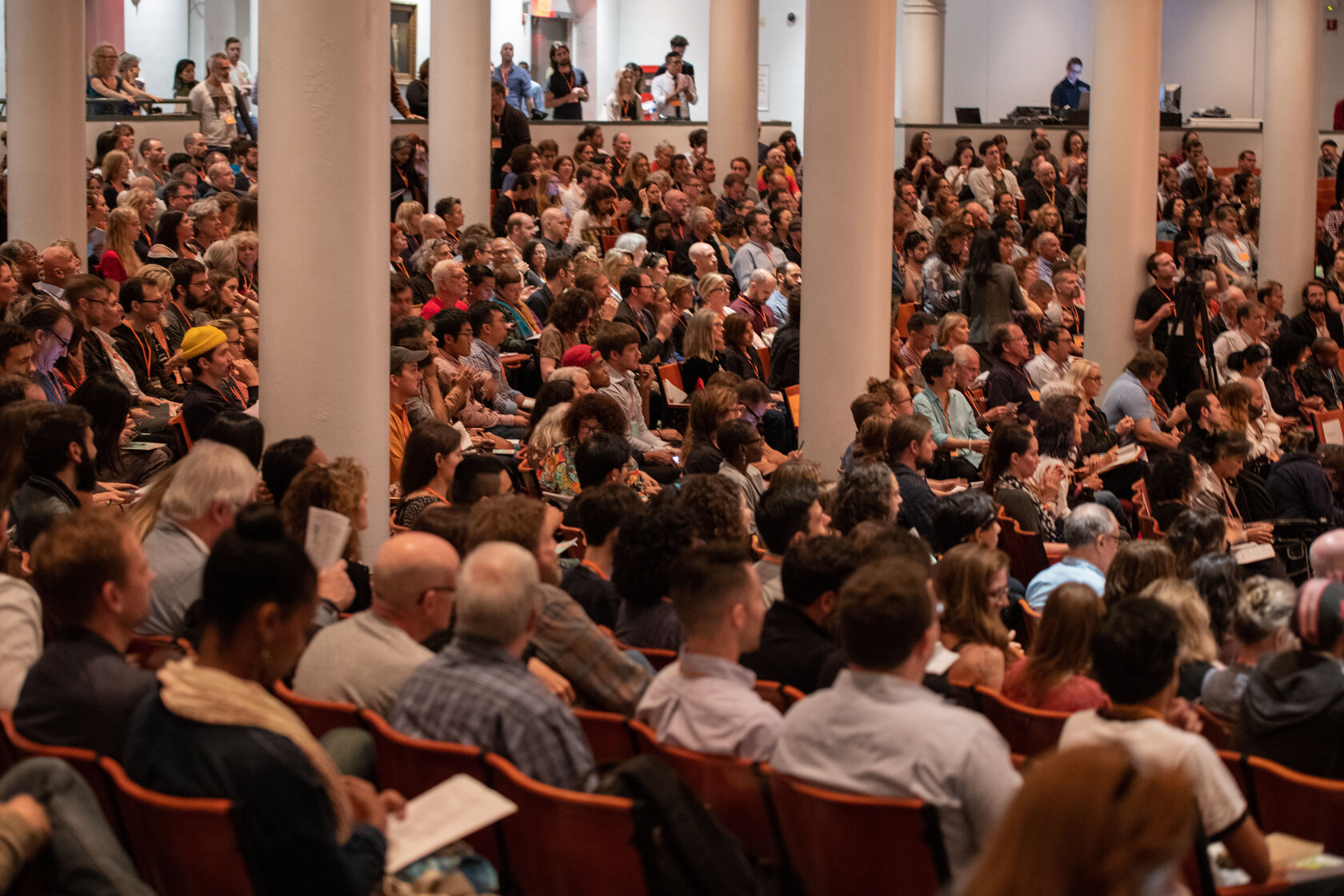
Amenities include a two-tier grand auditorium, ample indoor space for networking and dining, and Central Park just across the street.

About Horizons
Horizons Media, Inc. is a New York-based 501(c)(3) educational charity founded in 2009.
Our mission is to help the public understand the world of psychedelics.
Since 2007, we have created 18 conferences that examine the role of psychedelics in science, medicine, policy, business, culture, and spirituality.

Impact Opportunities
Horizons offers many opportunities for sponsors and donors who want to contribute and connect.
We can facilitate many modalities of year-round and on-site participation and reciprocity.
This support remains essential as registration revenue alone cannot cover the cost of a world-class conference for this growing and important community.

The indigenous history of New York (and psychedelics)
Psychedelics have been used by indigenous communities for thousands of years in the Americas. Horizons has been privileged to collaborate with indigenous leaders who have messages to share with the wider psychedelic community. Our native allies have requested that we include land acknowledgements as part of the work of educating our audience about indigenous topics.
READ MOREREAD LESS
Our venues are situated on the Lenape island of Manhahtaan (Mannahatta) in Lenapehoking, the Lenape homeland. We pay respect to Lenape peoples, past, present, and future and their continuing presence in the homeland and throughout the Lenape diaspora. Due to centuries of colonialism perpetuated by genocide, forced displacement, and systemic oppression, today the Lenape Diaspora is dispersed throughout the U.S. and Canada.
Horizons thanks The Lenape Center for the language in the three above paragraphs, and Markley Boyer and The Mannahatta Project for the above rendering of pre-colonial New York.